MEDIATION

Mediation

The mediation process in one guise or another has been used for centuries in differentparts of the world by various cultures and religions as a way of resolving conflict. Mediation is an effective way of resolving disputes of any nature, without having to resort to civil / commercial litigation (court), or more formal practices such as an employment tribunal and can provide various different solutions which would not be achievable by going through court. The mediator will work hard with each party in dispute, helping them to understand better their own and the other person’s position, by clarifying points and exploring possible solutions. By so doing the parties improve their chances of working out a realistic solution.

There are various types of mediation, the nature of your dispute will determine the type of mediation you need to use, equally this will affect the cost of the mediation and the length of the session required as well as the type of agreement that is entered into by the parties and whether it is binding or not and subject to any conditions.

When should I use mediation?

Mediation should be used when it appears that other than resorting to litigation or more formal practices  your dispute cannot be resolved, it can also be used even if litigation has commenced, the earlier you decide to use mediation, the more likely you are to save a lot of time, money and stress.

The mediation process

All the parties in dispute need to agree to try mediation, in cases where the other side will not agree, Effective Dispute Solutions Limited will use its best efforts to persuade the other party to agree to mediation by highlighting the benefits of the process, however as it is a voluntary process, parties cannot be forced to mediate. Once the agreement of all has been obtained Effective Dispute Solutions Limited will require a brief summary of the dispute, who will then put you in contact with a mediator who would be most suitable to help you resolve your dispute.

How does the mediation process work?

Each mediator has their own approach but will all generally proceed as follows; the mediator will arrange a meeting at a convenient, mutually agreed and if possible neutral location, most disputes are generally mediated at one of the parties, or their solicitor’s offices if they are legally represented. If the parties are unable to provide the venue, then Effective Dispute Solutions Limited will arrange the venue which will be easily accessible to all who are party to the dispute, the cost of which will be equally shared by the parties and the charge will be known and agreed before the mediation commences.

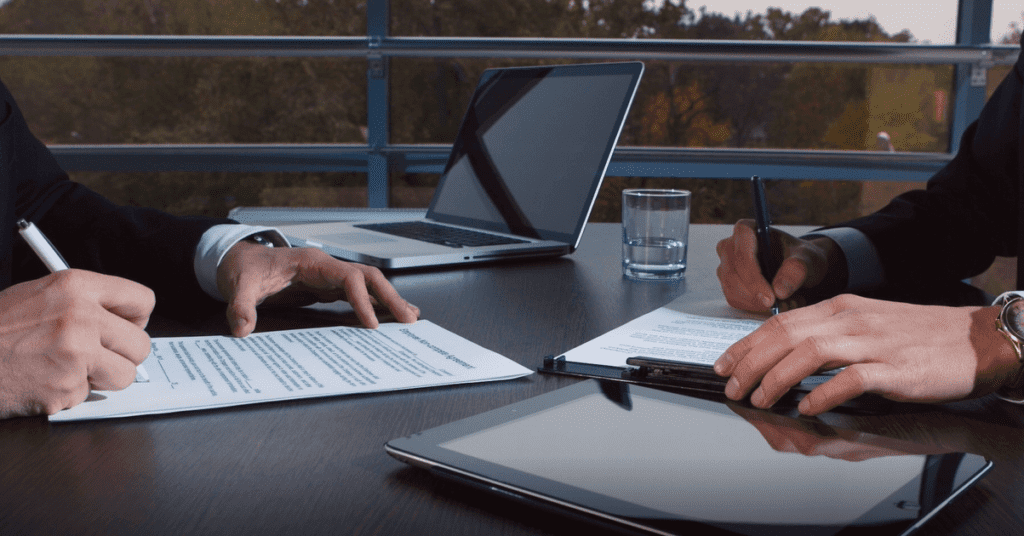
The mediation will usually commence with a joint meeting, if it is appropriate to do so, where the mediator will introduce themselves, take care of any administrative formalities and explain the process in more detail. The mediator will then ask each side and or their legal representatives to deliver their opening / position statement (summary of the dispute as they see it & what they want to achieve), and will try to identify the parts which are not in disagreement and note those that are. After this initial joint meeting the mediator will request a series of private sessions with each of the parties, moving back and forth between them to explore possibilities and clarify points and bringing them together again at appropriate times. During the final private sessions the mediator will try to reduce the differences between the parties and will seek to obtain agreement by all parties on major and minor issues. Once a solution has been reached the mediator will request that the terms of the agreement be put in writing and signed at the meeting.

If you do not agree with the mediator

Unlike a Judge or Arbitrator the mediator has no power to decide or impose their solution upon you, they are simply there at your invitation to see if by talking to all concerned they can help you negotiate your own settlement and facilitate the process in an impartial and non judgemental manner. If, during the mediation, you do not like the way it is going you are free to leave and will not have committed yourself in any way unless you wish to have done so, as mediation is on a without prejudice basis your legal rights are not affected. There is no obligation to agree to anything you are not entirely happy with, any agreement made will be your agreement, the mediator simply guides you towards it. If an agreement cannot be reached you are still free to pursue litigation to resolve your dispute.

Will mediation work?

Mediation is a highly flexible and successful process, most mediations settle, if not on the day shortly after the actual mediation , the mediator is there to help, although there is no guarantee of success,the more the parties are committed to finding a solution the more likely the mediation is to be successful.

Mediation should be used when it appears that other than resorting to litigation or more formal practices your dispute cannot be resolved, it can also be used even if litigation has commenced, the earlier you decide to use mediation, the more likely you are to.